
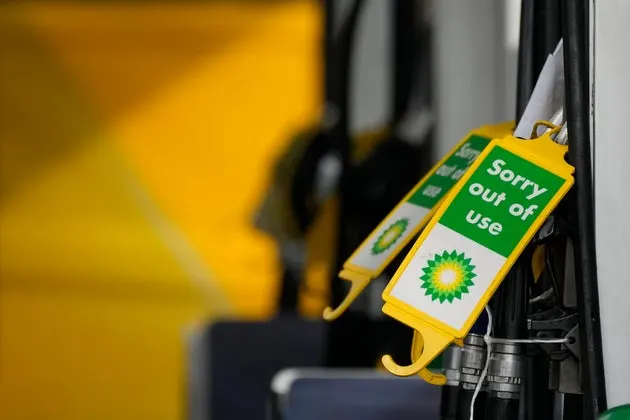
As the war in Iran continues to escalate, the repercussions are reverberating across international borders, with the UK’s Minister foreseeing a challenging landscape for energy, food, and travel costs. Predictions suggest that prices will remain elevated for at least eight months following what many hope will be the conflict’s conclusion. This perspective raises critical questions about the resilience of the UK economy and the broader implications for global markets in the face of such a protracted crisis.
The Strait of Hormuz, an artery for global oil and gas trade, has come under severe strain as hostilities disrupt its operations. Approximately one-third of the world’s liquid oil trade traverses this narrow passage, making its stability essential not only for the Middle Eastern economies but also for consumers and industries worldwide. The UK’s reliance on imported energy means that fluctuations in the market, particularly in oil prices, can prompt substantial consequences at home. The current situation has led to soaring energy prices that may remodel consumption patterns, potentially alter investment strategies, and reshape public sentiment towards energy independence.
At the core of this crisis is the relationship between supply chain disruptions and energy prices. The UK’s Minister’s admonition that high prices are here to stay for months reflects a harsh economic reality. Companies might face increased operational costs, which can be passed on to consumers, thereby limiting disposable income and stifling economic growth. The effects are likely to cascade through various sectors. Food producers reliant on energy-intensive operations may also have no choice but to raise prices, further straining household budgets already challenged by inflationary pressures.
The potential for civil unrest or dissatisfaction among the populace cannot be disregarded. In times of economic distress, historical precedent suggests that citizens become more vocal about their grievances. With energy prices acting as a significant indicator of economic health, a rise in utility bills can lead to wider social discontent, as people grapple with the dual burden of increased living costs alongside stagnant wages. The government’s response to these challenges will be pivotal; if adequate support is not offered to mitigate the impact on vulnerable populations, the political landscape may shift considerably.
Internationally, the UK’s energy crisis unfolds amid a dramatic reconfiguration of global energy markets. Countries dependent on oil imports are likely shifting their strategies as they navigate increasing prices influenced by global events. This reactivity can exacerbate geopolitical tensions, as nations may seek to secure energy deals that prioritize national interests over collaborative solutions, mirroring what occurred during the 1973 oil crisis.
The energy transition to renewables has been praised as a long-term solution to these kinds of crises, yet it is crucial to recognize that such transitions are not achieved overnight. Despite growing investments in renewable energy sources, traditional markets still hold significant sway due to current infrastructural limitations and consumer dependency on fossil fuels. The juxtaposition between the immediate necessity of managing the existing crisis and the long-term goal of a sustainable energy future creates a critical dilemma for policymakers in Europe. The pressure mounts to ensure the security of energy supply while simultaneously pursuing climate goals.
As the UK navigates these turbulent waters, it must also be aware of its neighbors. The European Union, too, stands on a precipice as energy prices soar, and fostering unity within the bloc will be essential for any collective response. Coordination to shield citizens from rising costs will be critical, as these circumstances heighten the risk of insular nationalism, where individual countries focus on self-interest at the cost of coalition solidarity.
The ongoing conflict in Iran is undeniably a catalyst for these rising energy prices, but it is also a reminder of the fragility of interconnected economies. A stable and cooperative international system is being challenged by localized conflicts and nationalistic tendencies exacerbated by economic fear. As Europe contemplates how to weather the storm ahead, it will require not only diplomacy but also innovation and pragmatic economic strategies that prioritize citizens’ welfare amid looming fiscal instability.
In conclusion, while the war in Iran rages on, the UK must brace itself for a prolonged period of elevated prices, which will require immediate attention and strategic long-term planning. No single solution can alleviate the high costs associated with this energy crisis, but a multi-faceted approach that includes potential energy diversification, investment in renewables, and international cooperation will be critical in weathering this storm. The trajectory of recovery will hinge on how effectively the UK responds to these challenges and whether it can foster resilience both economically and socially in the months to come.