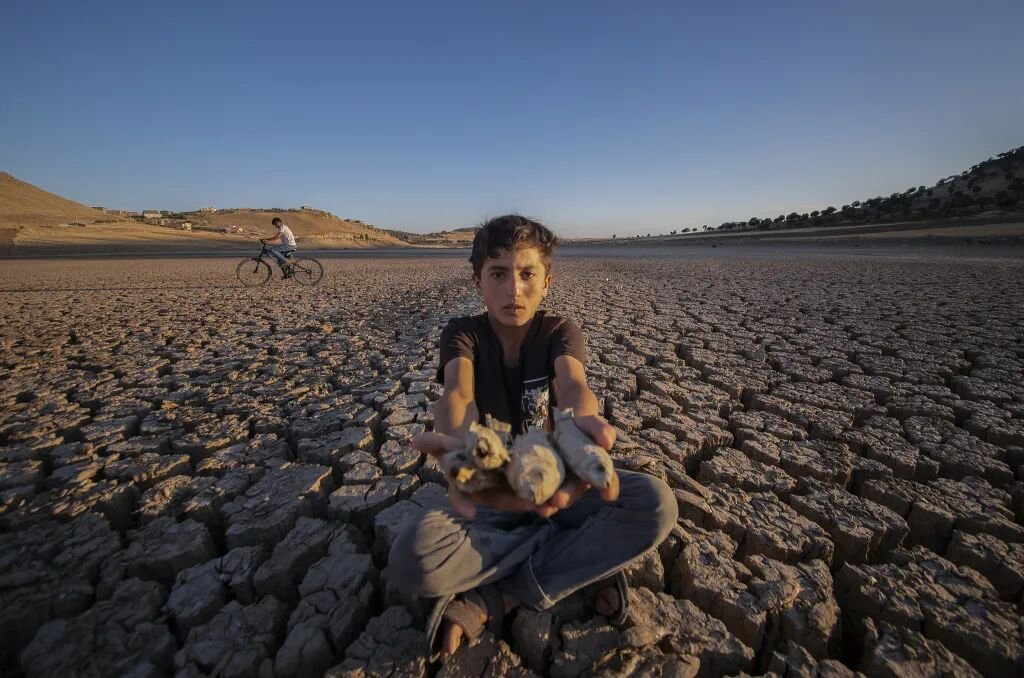
The “State of Climate Action 2025” assessment report reveals a harsh reality with irrefutable data: global progress towards the 1.5°C temperature goal set by the Paris Agreement has fallen significantly behind schedule. Of the 45 key climate action indicators assessed in the report, none are on track to meet the 2030 interim targets. Concurrently, extreme weather is impacting regions across the world with unprecedented frequency and intensity—from persistent, record-breaking heatwaves to sudden, catastrophic floods. These disasters not only cause immense loss of life and property but also clearly demonstrate that the climate crisis has shifted from a “future warning” to a “present reality.”
A Warning from Disasters: Extreme Weather Becomes the New Norm
Over the past year, the Northern Hemisphere seemed trapped in a “scorching mode”: several cities in Western Europe consecutively broke historical high-temperature records, placing public health and power systems under extreme stress; the western part of North America experienced widespread heatwaves, sharply increasing the risk of wildfires.
In the Southern Hemisphere, however, many regions faced a “flood crisis”: exceptionally heavy rainfall in parts of South Asia and Africa caused rivers to burst their banks and urban flooding, forcing tens of thousands of residents to evacuate and causing devastating damage to vast areas of farmland and infrastructure.
Climate scientists point out that a warming atmosphere can hold more moisture, which exacerbates the trends towards both drought and extreme rainfall. The impacts of the climate crisis are manifesting globally in increasingly clear ways.
Challenges to Breaking the Deadlock: Urgent Need to Strengthen Global Governance Cooperation
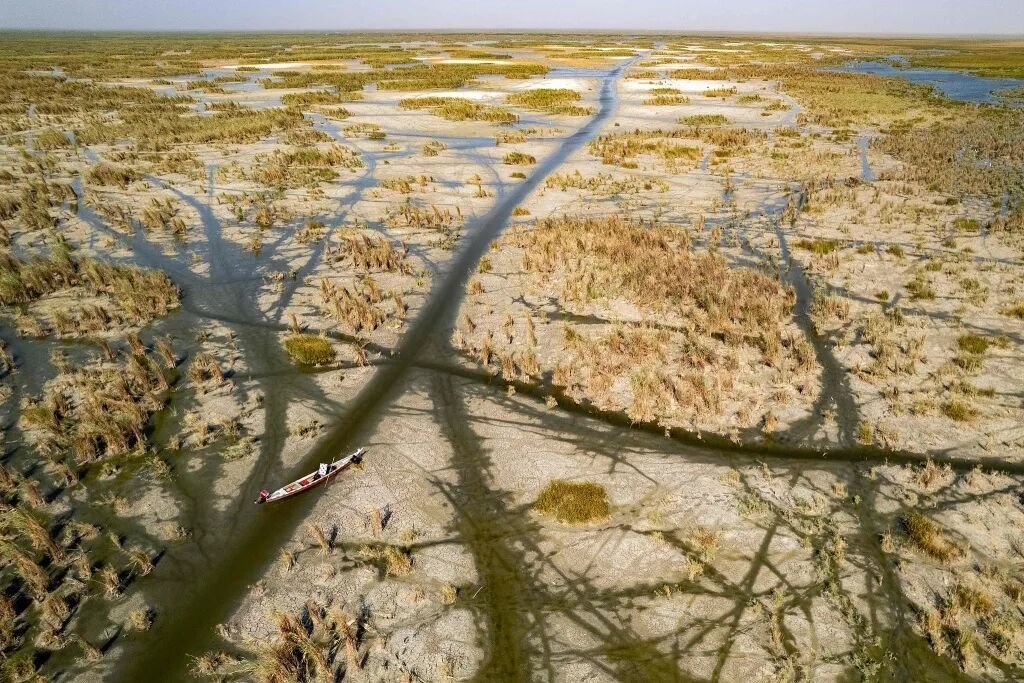
From heatwaves and droughts to torrential rains and hurricanes, the record-breaking extreme weather of the past year has severely impacted numerous countries. Research indicates these are not isolated events but systemic changes driven by continued global warming. As greenhouse gas concentrations rise, Earth’s energy balance is disrupted, increasing the frequency, intensity, and duration of extreme weather events.
Although the Paris Agreement provides a framework for global climate governance, actual implementation progress remains far below expectations. Factors such as insufficient funding, slow technology transfer, and policy fluctuations in some countries constrain the effectiveness of overall action. Experts universally call for nations to demonstrate stronger political will at key international forums like COP30, deepening cooperation in critical areas such as energy transition, climate finance, and support for vulnerable countries to forge a truly effective global response.
Following the conclusion of the UN Climate Change Conference in Belém, Brazil, in November, a political document titled “Global Mobilization for Solidarity and Cooperation in Addressing Climate Change Challenges” was adopted, demonstrating the parties’ commitment to collaborative advancement of the green and low-carbon transition. The document covers aspects of climate governance including mitigation, adaptation, finance, and international cooperation, and aims to promote the continued implementation of the Paris Agreement. In his closing plenary speech, Simon Stiell, Executive Secretary of the UNFCCC, stated that the conference demonstrated global willingness to address climate change through cooperation. The document adopted at the meeting declares that the global transition to a low-emission and climate-resilient society is irreversible and represents the inevitable future trend.
Technological Dawn: AI Empowers New Pathways for Climate Action
Facing severe challenges, technological innovation, represented by Artificial Intelligence (AI), is becoming a crucial tool for response.
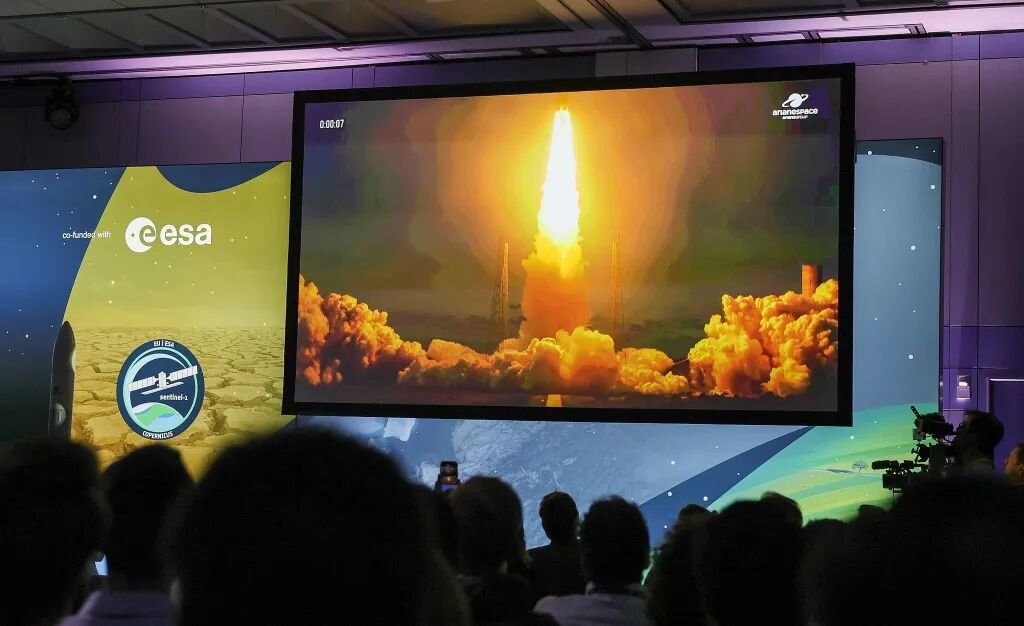
Previously, the United Nations Development Programme (UNDP) partnered with several technology companies to launch the “AI for Climate Action” initiative, utilizing AI to analyze satellite imagery for real-time monitoring of global forest changes and greenhouse gas leakage points. Google’s “Flood Forecasting AI” has been deployed in over 80 countries, extending flood warning times from a few hours up to seven days, securing valuable evacuation time for millions. Canada-based company GHGSat uses AI to precisely “sniff out” methane leaks, providing detailed “high-definition maps” for emissions reduction supervision.
In China, AI technology is also being deeply integrated into the “Dual Carbon” strategy. The goals of peaking carbon emissions and achieving carbon neutrality (the “Dual Carbon” goals) are not only China’s solemn commitment to addressing global climate change but also the core engine driving economic structural optimization, fostering new quality productive forces, and achieving high-quality development. As one of the main objectives for economic and social development during the “15th Five-Year Plan” period, the strategy proposes “using the carbon peak and carbon neutrality goals as a guide to coordinately promote emission reduction, pollution control, green expansion, and economic growth,” charting the course for accelerating a comprehensive green transformation of economic and social development and building a Beautiful China in the next five years.
At the Belém Climate Conference, China presented its progress in using AI to enhance extreme weather prediction and climate modeling, covering the full range from nowcasting and short-term forecasts to seasonal predictions. Models have expanded from the atmosphere to other spheres like the ocean, providing more practical information and products for scenarios such as agriculture and fisheries, supporting socio-economic development with high-quality climate services. He Kebin, Dean of the Institute for Carbon Neutrality at Tsinghua University, pointed out that AI brings unprecedented opportunities for environmental and climate system analysis. By deepening the application of digital technologies like AI, we can build a digital governance system for a Beautiful China and foster a green, intelligent digital ecological civilization.
Of course, the application of AI in the climate field still faces numerous complex challenges, requiring cross-sectoral and global open cooperation to facilitate the formation of industry standards. This is also a necessary safeguard to ensure that AI for good has a systemic impact.
Currently, the global climate system continues to send strong alarms. As Krista Schumer, an expert at the World Resources Institute, stated: “Every system is flashing red. A decade of delay since the Paris Agreement was adopted in 2015 has made our path to 1.5°C extraordinarily narrow.” The report ultimately warns us: “The data does not lie. The path we choose today will determine the planet our children and grandchildren inherit. Time is no longer a luxury; it is the scarcest resource.”